














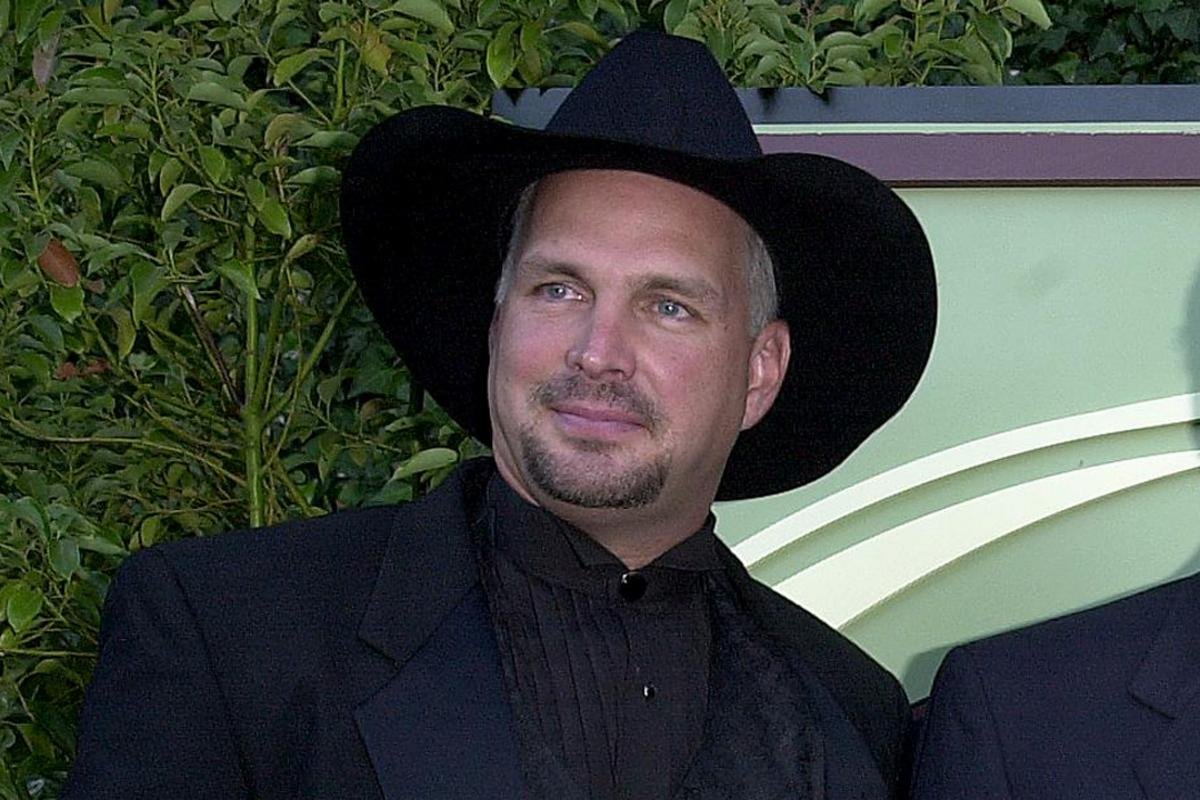
Garth Brooks took the Grand Ole Opry stage for the first time on June 24, 1989, just weeks into a recording career that would eventually make him the best-selling country artist of all time.
At the time of that debut performance, Brooks was about as new to the business as an artist could be. His first single, “Much Too Young (To Feel This Damn Old),” had only hit radio on March 6, 1989, and his self-titled debut album had followed on April 12 — meaning fewer than three months had passed between his introduction to country listeners and his first appearance on Music Row’s most storied stage.
Tears on an Iconic Stage
According to the Grand Ole Opry’s own account, Brooks was visibly emotional that night, moved to tears by the chance to perform on the same stage where his own heroes had played over the years. He performed two songs: his debut single and “If Tomorrow Never Comes,” a track that would prove significant in the months ahead.
“Much Too Young (To Feel This Damn Old)” climbed to No. 8 on Billboard’s Hot Country Songs chart, but it was “If Tomorrow Never Comes” — released as the album’s second single — that delivered Brooks his first No. 1 in December 1989. That chart-topper marked the beginning of a run through the 1990s during which Brooks shattered sales records, collected awards at a remarkable rate, and expanded country music’s audience well beyond its traditional base.
From Debut to Opry Member
One year after that first appearance, Brooks was invited to join the Opry as an official member — an honor he has consistently described as one of the most meaningful of his career. “To be recognized as a member [of the Grand Ole Opry] is among the class of honors that will never be topped, no matter how long or how far my career goes,” he has said.
For fans tracing the arc of one of country music’s most extraordinary careers, that June night in 1989 stands as the moment everything started — a tearful, two-song set that neither Brooks nor the Opry would soon forget.