














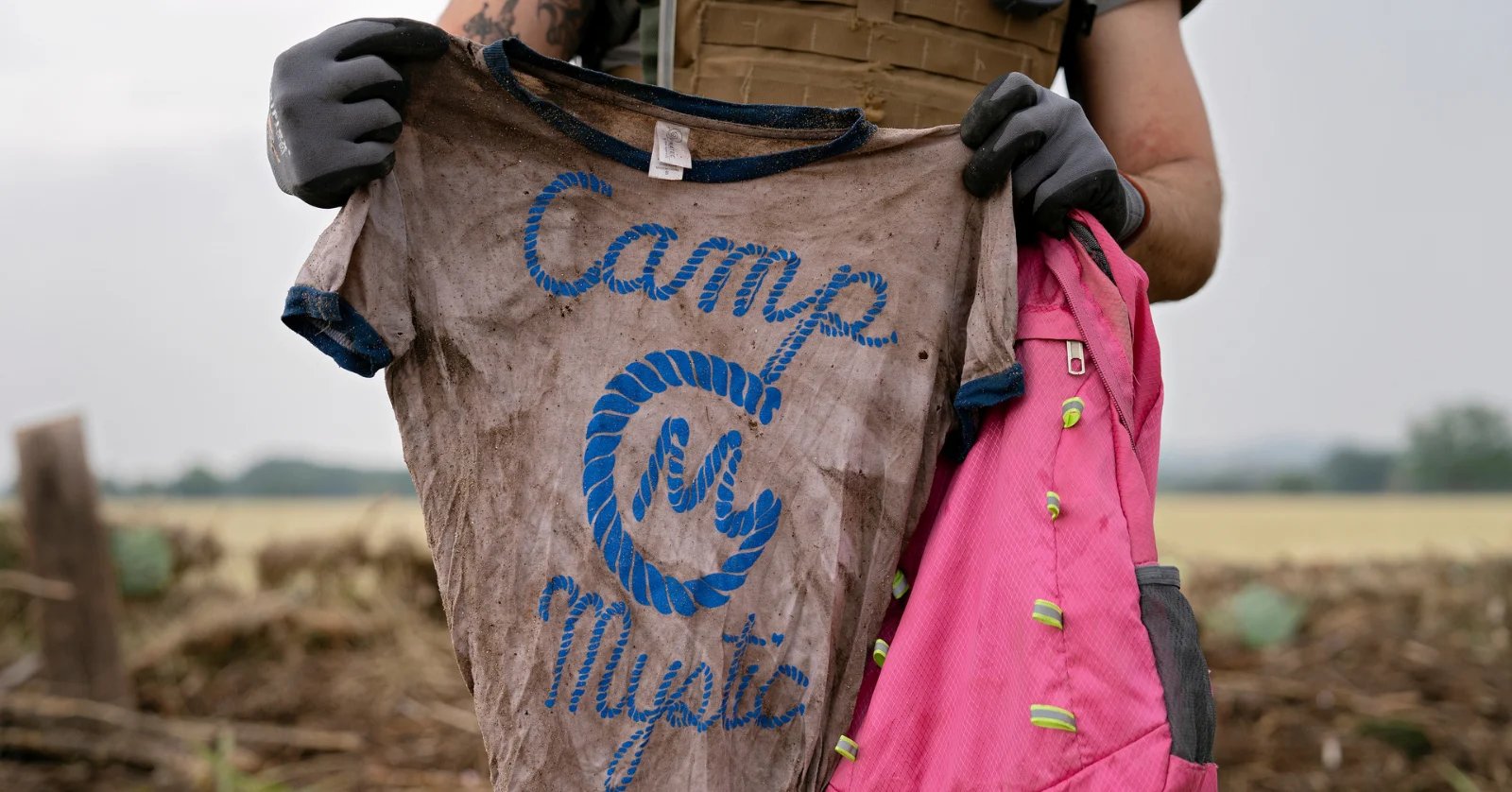
Camp Mystic, the Texas girls’ summer camp where at least 27 campers and counselors died in a catastrophic July 4, 2025 flash flood, has filed for Chapter 11 bankruptcy reorganization.
The century-old Christian camp, situated in Hunt, an unincorporated community in Kerr County, Texas, submitted its bankruptcy paperwork on Wednesday, June 24, in the U.S. Bankruptcy Court for the Southern District of Texas in Houston. The filing reports more than $10 million in liabilities against assets valued between $100,001 and $500,000. The bankruptcy arrives just days after the Texas Legislature released its findings from an investigation into the disaster, concluding that Camp Mystic had failed to maintain adequate emergency plans and preparations before the flooding struck.
A Disaster That Reshaped the Camp
The Guadalupe River rose between 22 and 29 feet in under two hours on the morning of July 4, 2025, obliterating cabins, roads, and infrastructure across the camp. The youngest campers had been housed in low-lying cabins less than 500 feet from the river and were among the first overwhelmed by the surge. Camp owner Dick Eastland also died in the flooding. In the aftermath, families of victims appeared before the Texas State Senate in August 2025 to support the “Heaven’s 27 Camp Safety Act,” proposed legislation designed to impose stricter safety standards on youth camps across the state.
Reopening Plans Abandoned
Camp Mystic had initially signaled an intent to resume operations for summer 2026, with roughly 850 campers reportedly signed up to return. Camp officials had invited lawmakers to review safety upgrades completed since the disaster and pledged that no activities would take place in the low-lying areas hit hardest by the flood. That plan ultimately collapsed. Earlier this year, amid ongoing court hearings and legislative investigations, the camp formally withdrew its application to reopen.
With the bankruptcy filing coming nearly one year after the flood and immediately on the heels of the legislative investigation’s critical findings, the future of the camp — which has operated for more than a century and held deep ties to generations of Texas families — now rests with the courts.