














From “The Man in Black” to “King George,” country music has a long tradition of artists earning monikers that outlast any single song or album — and a new roundup identifies 19 of the genre’s most memorable nicknames, along with the stories behind them.
The list spans generations and subgenres, covering legends like Johnny Cash, George Jones, and Loretta Lynn alongside contemporary acts such as Eric Church and Riley Green. Notably, the rundown excludes stage names used in place of birth names — think Jelly Roll or Shaboozey — focusing instead on organically earned monikers that fans and peers bestowed over time.
Nicknames Rooted in Song, Personality, and Lore
Several of country music’s most famous nicknames grew directly out of hit records. Johnny Cash began wearing all-black onstage, standing apart from the rhinestone-studded norm, and the image hardened into legend when he released “Man in Black” in 1971 — a protest song explaining the choice as a tribute to the poor, the downtrodden, and soldiers lost in Vietnam. Loretta Lynn became “The Coal Miner’s Daughter” after her 1970 autobiographical single of the same name inspired a 1980 film. Kenny Rogers earned “The Gambler” following his cover of the Don Schlitz-penned song, which hit number one on the Hot Country Songs chart in 1978, and he reinforced the identity through a series of Gambler-themed films in the decades that followed.
Other monikers carry stranger, more personal backstories. Hank Williams Sr. nicknamed his young son “Bocephus” after a ventriloquist dummy belonging to Grand Ole Opry comedian Rod Brasfield. When Hank Sr. died — with Hank Jr. just three years old — the younger Williams kept the name his father had given him. Willie Nelson earned “Shotgun Willie” after a confrontation with an abusive son-in-law escalated into a late-night standoff involving rifles and a shotgun; Nelson immortalized the episode with his 1973 album of the same name. He also carries the nickname “The Red Headed Stranger,” which he used as the title of a 1975 album. Eric Church’s nickname “Chief” traces back to his grandfather Rusty, who served as Chief of Police in Granite Falls, North Carolina; when Church’s band noticed his onstage sunglasses made him look like a cop, the connection clicked. Church later named his 2011 album Chief and his Nashville bar Chief’s.
Titles Earned and Shared
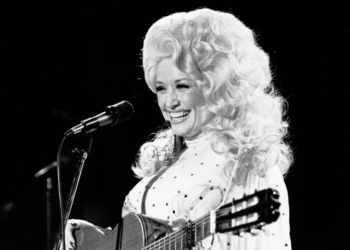
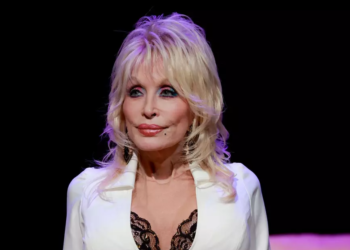
Some nicknames function more like royal titles. George Strait holds “The King of Country Music” — or simply “King George” — a designation backed by 60 number-one hits, more than any other country artist. Strait, notably, does not use the nickname himself. The corresponding title of “Queen of Country Music” has been claimed by more than one artist: Kitty Wells was the first to carry it, even using the phrase as the title of her 1962 album. Dolly Parton, Reba McEntire, Carrie Underwood, and Loretta Lynn have all been called country’s queen at various points, though Lynn personally credited Wells as the original.
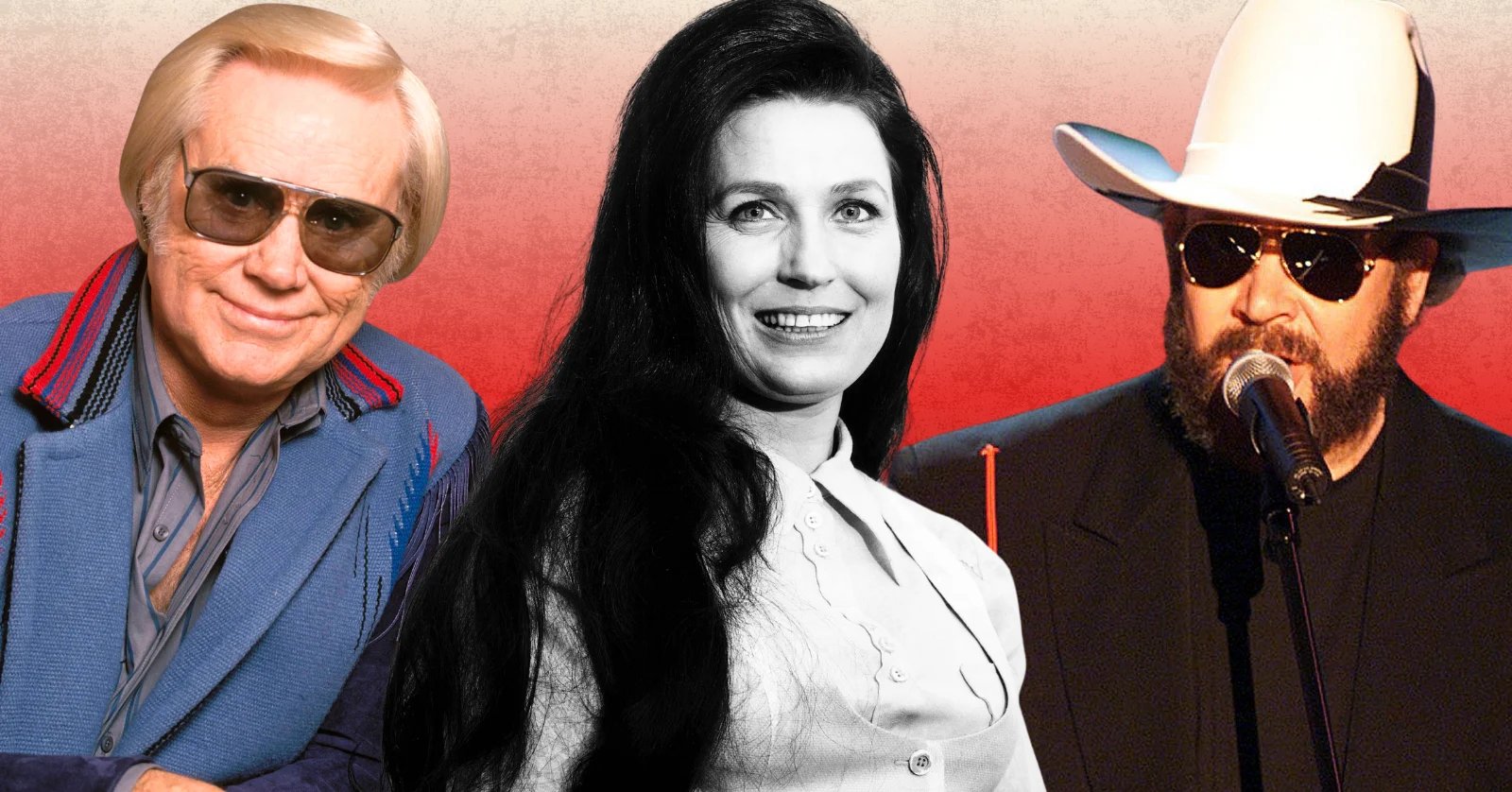
George Jones accumulated three distinct nicknames across his career. Radio DJs Ralph Emery and T. Tommy Cutrer joked that his facial features resembled a possum, and “The Possum” stuck. His struggles with missed shows generated the less flattering “No Show Jones” — a label Jones eventually made peace with, he said, partly by writing a song about it. And his stature as one of the genre’s dominant figures earned him the grander title of “The President,” which in turn gave his then-wife Tammy Wynette her own nickname: “The First Lady,” a moniker she embraced with her 1971 album of the same name.
With nicknames embedded in everything from album titles to Nashville real estate, these monikers continue to shape how fans connect with country music’s past and present — and for newer artists like Riley Green, whose Instagram handle is @rileyduckman, the tradition of earning an unofficial name shows no sign of fading.