














Riley Green already wants to flip The Voice format on its head — literally — before his first season as a coach has even aired.
The “Think As You Drunk” singer was announced in May as one of four coaches joining Season 30 of the long-running NBC competition, taking his seat alongside Adam Levine, Kelly Clarkson, and Queen Latifah. The season premieres September 21, 2026, with episodes rolling out across both Monday and Tuesday during premiere week. Blind Auditions filming has already wrapped, and Green is already thinking about what he’d change.
Green’s Twist on the Blind Audition
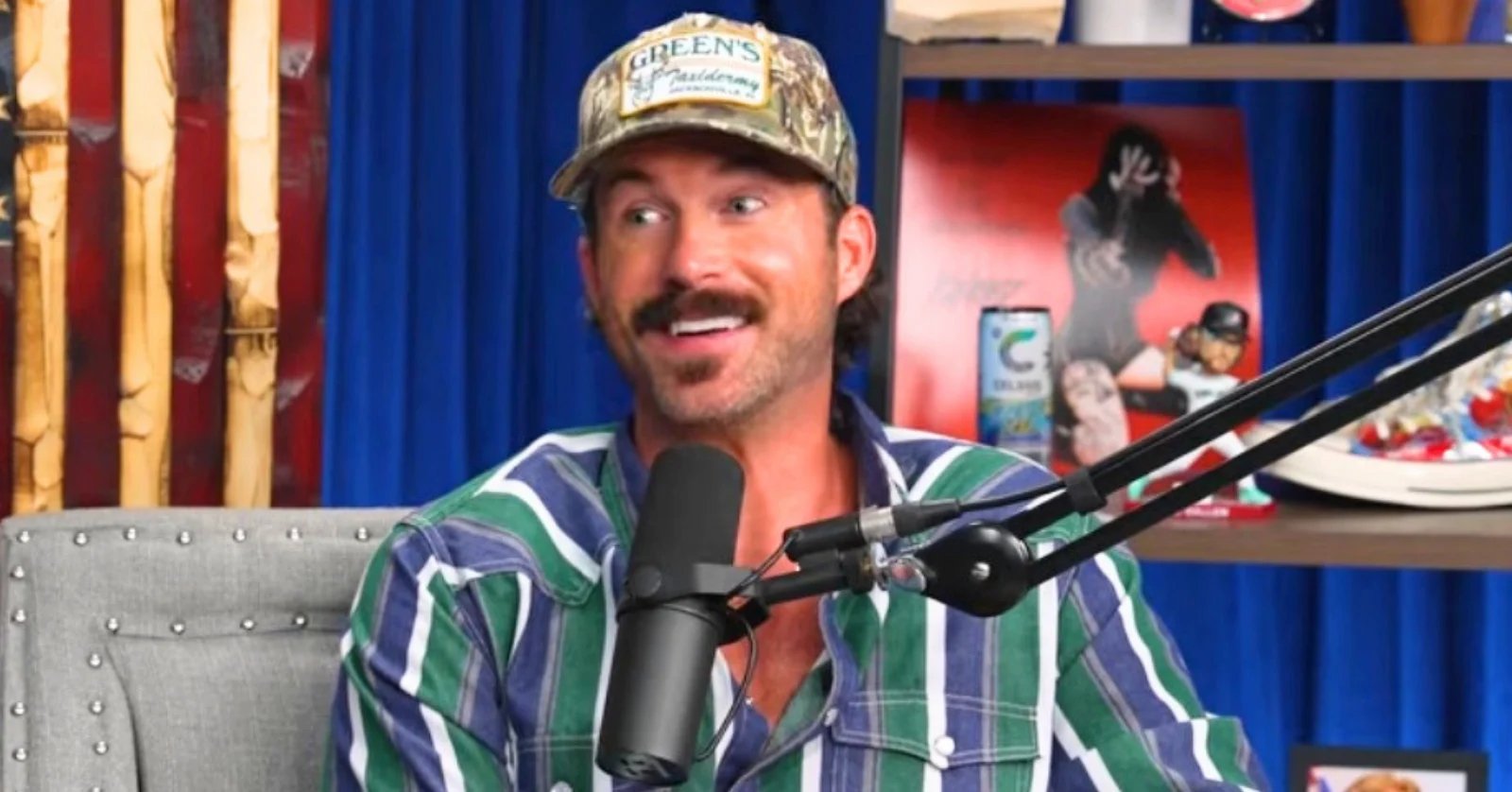
During an appearance on the podcast This Past Weekend With Theo Von, Green laid out a format change that host Theo Von called “absolutely diabolical.” Rather than having coaches sit with their backs to performers and press a button to turn around when impressed, Green envisions the opposite: coaches would start the audition facing the contestant and turn away when they lose interest.
“I think the chairs start facing the contestant and then you turn away when you don’t like it,” Green said. He acknowledged the cruelty of the concept, adding that looking directly at a performer makes rejection far more personal — “it’s not who or what you think it is” — but said part of his motivation is that he genuinely dislikes having to explain to contestants after the fact why he didn’t turn his chair for them.
The Least Famous Coach in the Room
Green was candid about where he stands among his fellow coaches in terms of mainstream name recognition. “I could tell from the first day of filming that I’m the least famous person as a coach on The Voice right now with fans of The Voice,” he told Von, noting that his existing audience skews heavily toward country music listeners. Rather than treating that gap as a liability, Green framed it as the point: “The fact that I know I’m not as well known in that world tells me how much I’ll gain from it, cause it’s putting me in front of so many different people.”
With Season 30 set to debut September 21, 2026, audiences will soon see whether Green’s competitive instincts — unconventional format ideas and all — translate into a winning team.